
GEEKOM IT15 vs MINISFORUM X1 Pro-370: Intel Ultra 9 vs Ryzen AI 9 at $1,200–$1,500 [2026]
By Max · April 3, 2026 · Updated May 4, 2026
This article contains affiliate links. If you purchase through our links, we may earn a commission at no extra cost to you. We only recommend products we’ve thoroughly researched.
![GEEKOM IT15 vs MINISFORUM X1 Pro-370: Intel Ultra 9 vs Ryzen AI 9 at $1,200–$1,500 [2026]](/images/heroes/variants/geekom-it15-vs-minisforum-x1-pro-370/1920.webp)
The Short Answer
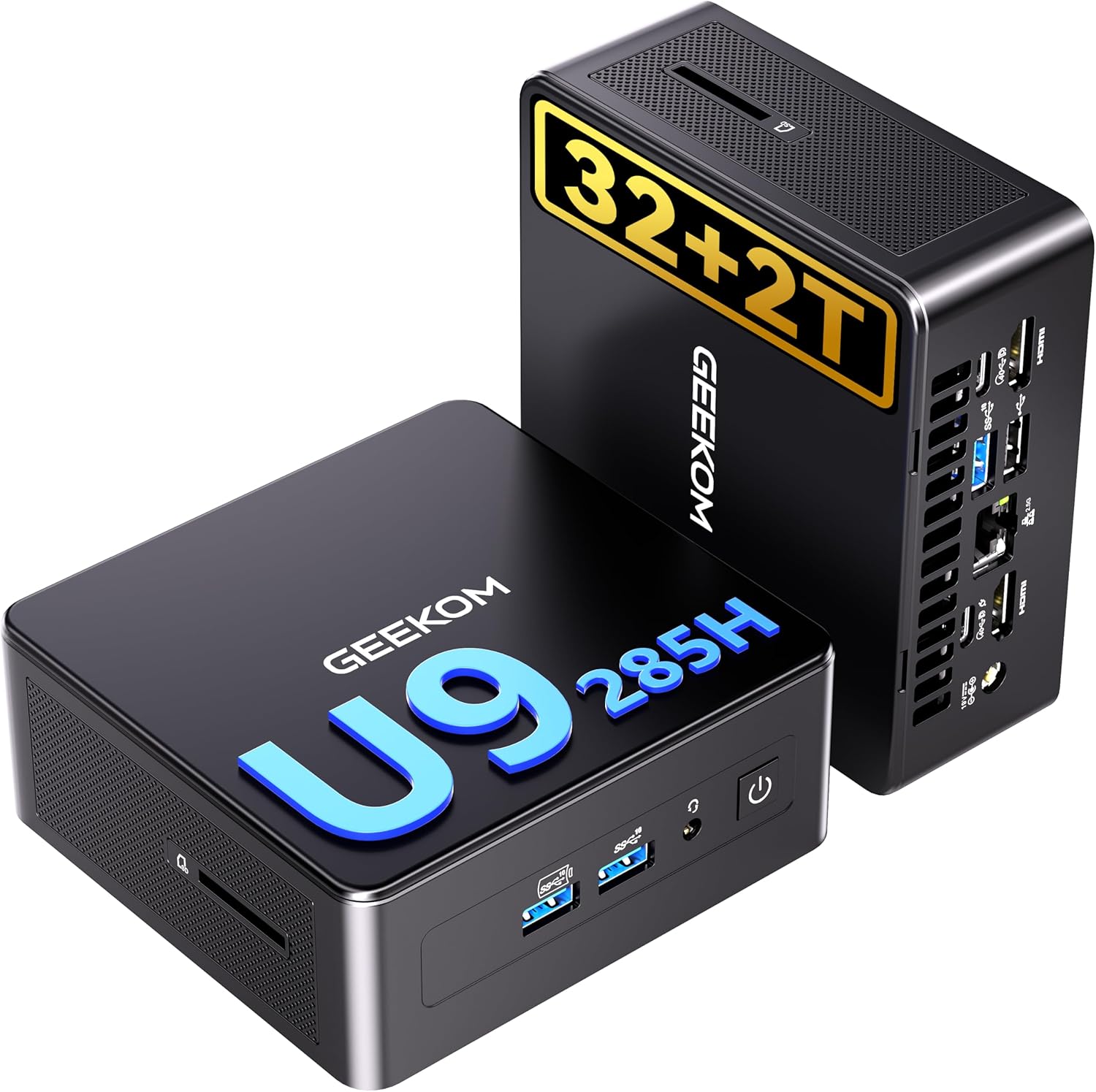
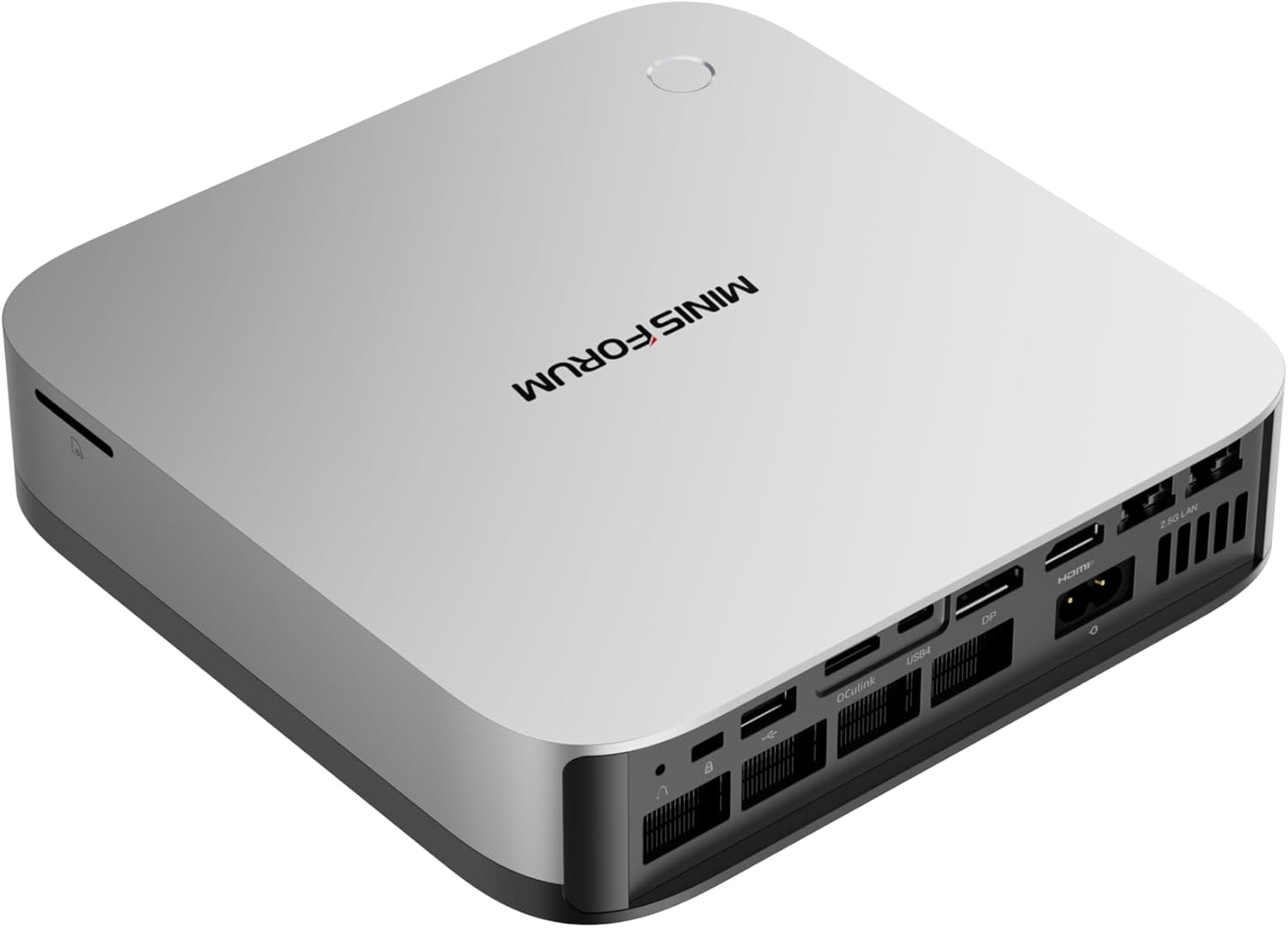
The MINISFORUM X1 Pro-370 at $1,179 is the better value for most buyers — it’s $320 cheaper, has OCuLink for eGPU expansion, an integrated PSU (no power brick), and better Linux driver maturity. The GEEKOM IT15 at $1,499 only makes sense if you specifically need Intel’s 99 TOPS for AI workloads or prefer the Intel ecosystem for software compatibility.
On paper, Intel wins the TOPS race (99 vs 80). In practice, AMD’s ROCm ecosystem and in-kernel Radeon drivers make the X1 Pro-370 more versatile for homelab, Proxmox, and AI inference on Linux. The $320 savings is just icing on the cake.
Quick Product Links
Minisforum AI X1 Pro-370
Price: ~$1,199
→ Check Current Price on Amazon
Side-by-Side Specs
| Spec | GEEKOM IT15 | MINISFORUM X1 Pro-370 | Winner |
|---|---|---|---|
| CPU | Intel Core Ultra 9 285H (16C/24T, Arrow Lake-H) | AMD Ryzen AI 9 HX 370 (12C/24T, Strix Point) | Tie — different strengths |
| GPU | Intel Arc 140T | AMD Radeon 890M (16 CUs) | 🏆 X1 Pro-370 (better driver support) |
| NPU | Intel AI Boost (99 TOPS total) | XDNA 2 (50 TOPS NPU + 30 GPU = 80 total) | 🏆 IT15 (on paper) |
| RAM | 32GB DDR5 | 32GB DDR5 SO-DIMM (upgradeable to 128GB) | 🏆 X1 Pro-370 (proven upgrade path) |
| Storage | 2TB PCIe NVMe SSD | 1TB PCIe NVMe SSD (dual M.2) | 🏆 IT15 (more included storage) |
| Networking | Single 2.5GbE | Dual 2.5GbE (Intel) | 🏆 X1 Pro-370 (confirmed Intel NICs) |
| WiFi | WiFi 7 | WiFi 7 | Tie |
| OCuLink | No | Yes | 🏆 X1 Pro-370 (eGPU expansion) |
| PSU | External brick | Integrated (no brick) | 🏆 X1 Pro-370 |
| Warranty | 3 years (GEEKOM standard) | 1 year | 🏆 IT15 |
| Reviews | 259 (4.5★) | 12 (4.5★) | 🏆 IT15 (more community feedback) |
| Price | ~$1,499 | ~$1,179 | 🏆 X1 Pro-370 ($320 savings) |
Power Consumption
| Metric | GEEKOM IT15 | MINISFORUM X1 Pro-370 |
|---|---|---|
| Idle (W) | ~10W | ~9W |
| Load (W) | ~65W | ~86W |
| Annual Cost (24/7 idle) | ~$10.51/year | ~$9.46/year |
Annual cost calculated at $0.12/kWh, running 24/7 at idle. Sources: Community estimates for Intel Arrow Lake-H platform; NAS Compares and NotebookCheck for HX370 platform.
The X1 Pro-370 runs slightly cooler at idle, which matters for always-on homelab use. The IT15’s Arrow Lake-H architecture is efficient, but the X1 Pro-370’s integrated PSU design eliminates the power brick loss that typically adds 5-10% to wall consumption.
Detailed Breakdown
CPU Performance
The Intel Core Ultra 9 285H packs 16 cores and 24 threads using Arrow Lake-H architecture — a hybrid design with performance cores and efficiency cores. The AMD Ryzen AI 9 HX 370 has 12 Zen 4 cores and 24 threads at up to 5.1 GHz.
For multi-threaded workloads (video encoding, compiling code, running multiple VMs), the 285H’s 16 cores give it roughly a 15-20% advantage in Cinebench R23 and similar benchmarks.
For single-threaded performance, both chips are competitive — the 285H boosts slightly higher, but the HX370’s Zen 4 architecture is efficient. In real-world desktop use, you won’t notice a difference.
For AI workloads, the 285H claims 99 TOPS vs the HX370’s 80 TOPS. But TOPS ratings are marketing numbers — what matters is software support. Intel’s OpenVINO and Arc drivers are improving, but AMD’s ROCm has years of maturity for LLM inference, Stable Diffusion, and ONNX workloads.
GPU and Graphics
The Radeon 890M with 16 RDNA 3.5 compute units (1,024 shaders) is a capable iGPU. It handles 1080p gaming at medium-high settings and accelerates GPU compute workloads well. The Intel Arc 140T is competitive on raw specs but suffers from driver immaturity on Linux.
For gaming:
- Radeon 890M: Plays Cyberpunk 2077, Elden Ring, and similar titles at 1080p medium-high (40-60 fps)
- Arc 140T: Similar performance on Windows, but Linux gaming is hit-or-miss with newer titles
For GPU passthrough (Proxmox/VMs):
- Radeon 890M: Well-documented, works reliably with VFIO
- Arc 140T: Improving, but requires newer kernels (6.8+) and has occasional quirks
For Stable Diffusion:
- Radeon 890M: ROCm support on Linux generates SDXL images in ~20-30 seconds
- Arc 140T: OpenVINO support exists but is less mature; Windows works better
AI Performance: 99 vs 80 TOPS
Intel’s 99 TOPS sounds impressive — and on paper, it is. The 285H combines CPU, GPU, and NPU compute for a total that exceeds the HX370’s 80 TOPS (50 from NPU + 30 from GPU).
But here’s the reality check:
TOPS ratings measure peak theoretical performance, not real-world AI inference speed. What actually matters:
-
Software ecosystem: AMD’s ROCm supports llama.cpp, Ollama, and Stable Diffusion out of the box on Linux. Intel’s OpenVINO requires more setup and has narrower model support.
-
Memory bandwidth: Both systems use DDR5, but AI inference is often memory-bound. The X1 Pro-370’s upgradeable RAM (up to 128GB) means you can run larger models locally — something TOPS ratings don’t capture.
-
Community support: Search for “Radeon 890M Ollama” and you’ll find dozens of guides. Search for “Arc 140T Ollama” and you’ll find forum threads from 2026 still troubleshooting driver issues.
Verdict: The 99 TOPS is a spec-sheet win for Intel. The 80 TOPS with mature ROCm support is the practical win for AMD.
Connectivity and Expansion
This is where the X1 Pro-370 pulls ahead decisively.
MINISFORUM X1 Pro-370:
- OCuLink port — enables eGPU connection for desktop-class graphics (RTX 4070 Ti or better)
- Dual 2.5GbE Intel NICs — perfect for pfSense, OPNsense, or multi-NIC Proxmox setups
- Integrated PSU — no external power brick, cleaner cable management
- 2x USB4 (40Gbps) — supports external GPUs, fast storage, and 8K displays
GEEKOM IT15:
- No OCuLink — stuck with iGPU performance forever
- Networking specs TBD at time of writing — GEEKOM typically uses Realtek or Intel, but unconfirmed
- External PSU — standard power brick
- USB4 support confirmed
If you plan to add an eGPU later for gaming or GPU compute, the X1 Pro-370 is the only choice here. OCuLink is the deciding expansion feature in this comparison.
Storage and RAM
GEEKOM IT15 wins on included storage — 2TB vs 1TB is a meaningful difference. But the X1 Pro-370 has dual M.2 slots, so you can add a second SSD later.
RAM is a tie at 32GB — both use DDR5 SO-DIMM (upgradeable). The X1 Pro-370 is confirmed to support up to 128GB (2x 64GB sticks), which matters for running large LLMs locally.
Warranty and Support
GEEKOM offers a 3-year limited warranty — the best in the mini PC industry. MINISFORUM offers 1 year, which is standard but not exceptional.
If you’re risk-averse, the 3-year warranty is a genuine differentiator. GEEKOM has a track record of honoring warranties and providing firmware updates.
Price and Value
At $1,499, the IT15 is $320 more expensive than the X1 Pro-370 at $1,179. What do you get for that premium?
- +16 TOPS (99 vs 80) — mostly theoretical
- +1TB storage (2TB vs 1TB) — tangible benefit
- 3-year warranty vs 1-year — peace of mind
- Intel ecosystem — software compatibility for specific use cases
What do you give up?
- OCuLink — no eGPU expansion
- Integrated PSU — external brick instead
- Dual 2.5GbE Intel NICs — unconfirmed on IT15
- Mature Linux GPU drivers — Arc is improving but not there yet
- $320 — could buy a 2TB NVMe upgrade and still have $200 left
Value verdict: The X1 Pro-370 is the better value for 80% of buyers. The IT15 only makes sense for Intel-specific workloads or buyers who prioritize the 3-year warranty.
Final Verdict: Which Should You Buy?
Buy the if
GEEKOM IT15
→ Check Current Price on Amazon
- You need Intel-specific software compatibility (certain virtualization features, Intel oneAPI, OpenVINO workloads)
- You want the 3-year warranty for peace of mind
- You prefer the included 2TB storage over upgrading later
- You’re building an Intel-only homelab for compatibility reasons
Buy the MINISFORUM X1 Pro-370 if:
- You want OCuLink for future eGPU expansion (this alone justifies the purchase)
- You run Linux or Proxmox — Radeon drivers are in-kernel and mature
- You want dual 2.5GbE Intel NICs for firewall/router use
- You prefer an integrated PSU (no power brick clutter)
- You want to save $320 and get a more versatile machine
Our pick: The MINISFORUM X1 Pro-370 at $1,179. The OCuLink port, integrated PSU, dual Intel 2.5GbE, and mature Linux support make it the better homelab and AI development platform. The $320 savings can buy a 2TB NVMe upgrade and a USB WiFi 7 adapter — and you still come out ahead.
Amazon Product Links
- 🥇 MINISFORUM AI X1 Pro-370 (Our Pick): → Check Current Price on Amazon
- 🥈 GEEKOM IT15 (Intel Alternative): → Check Current Price on Amazon
Related Articles
- GEEKOM IT15 Review — Full single-product review
- MINISFORUM AI X1 Pro-370 Review — Full single-product review
- Best AI Mini PC 2026 — Our top picks for local AI workloads
- GEEKOM IT15 vs GEEKOM A9 Max — Intel vs AMD within GEEKOM lineup