
AMD Radeon 890M vs 780M: Which Mini PC iGPU Is Worth the Upgrade? [2026]
By Max · April 3, 2026 · Updated May 4, 2026
This article contains affiliate links. If you purchase through our links, we may earn a commission at no extra cost to you. We only recommend products we’ve thoroughly researched.
![AMD Radeon 890M vs 780M: Which Mini PC iGPU Is Worth the Upgrade? [2026]](/images/heroes/variants/radeon-890m-vs-780m-mini-pc/1920.webp)
The Short Answer
The Radeon 890M is ~30-40% faster across the board thanks to 4 additional compute units and RDNA 3.5 architecture improvements. But the 780M is in mini PCs that cost $300-700 less. If gaming, Stable Diffusion, or GPU-accelerated creative work matters to you, the 890M is worth the premium. For general productivity, web browsing, and light media work, the 780M is perfectly adequate.
There’s also a third option: the Radeon 8060S in the GMKtec EVO-X2 AI — 40 CUs that deliver 2-3x the performance of the 890M. We’ll cover that at the end for context.
Quick Product Links
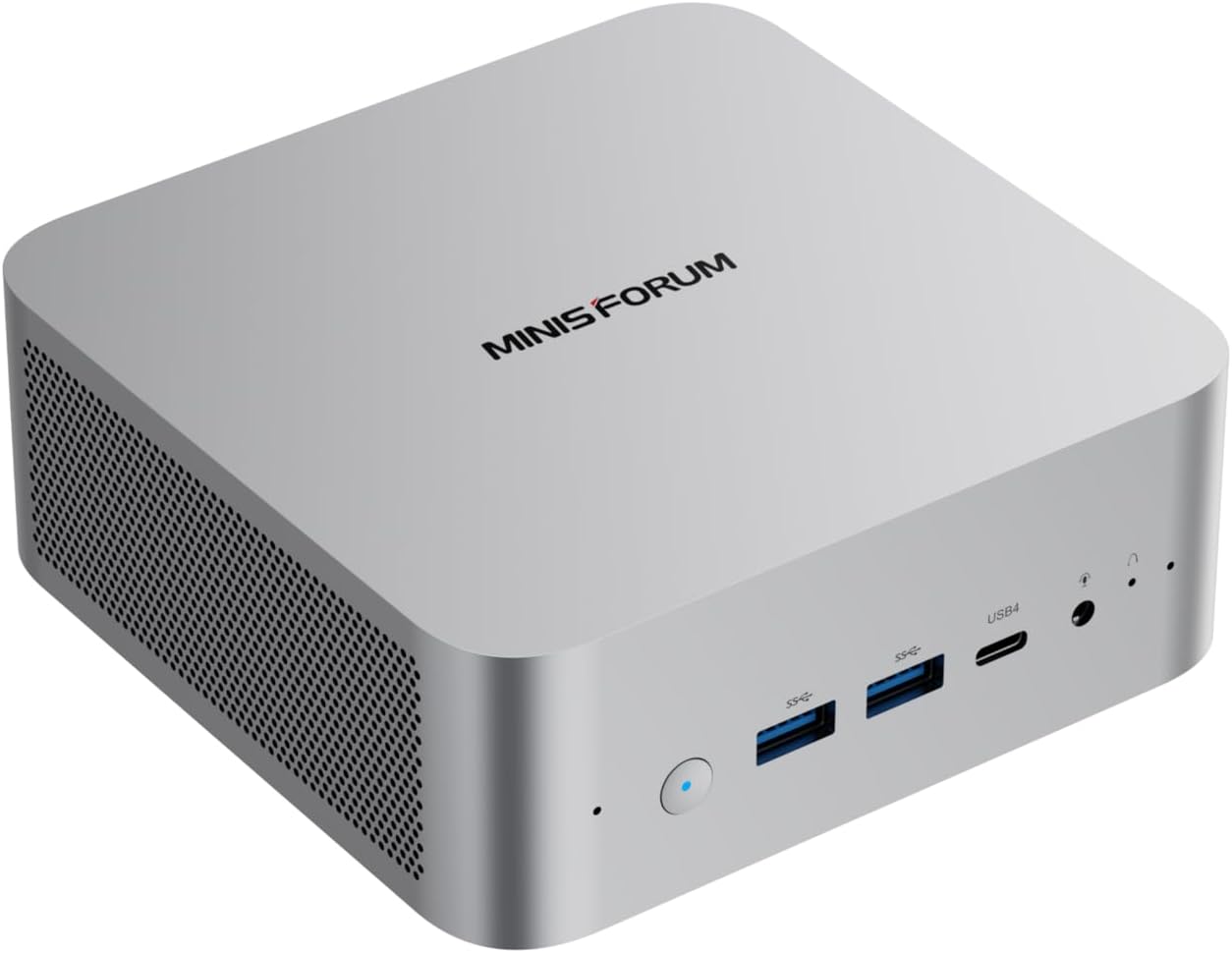
Minisforum AI X1-255
Price: ~$599
→ Check Current Price on Amazon
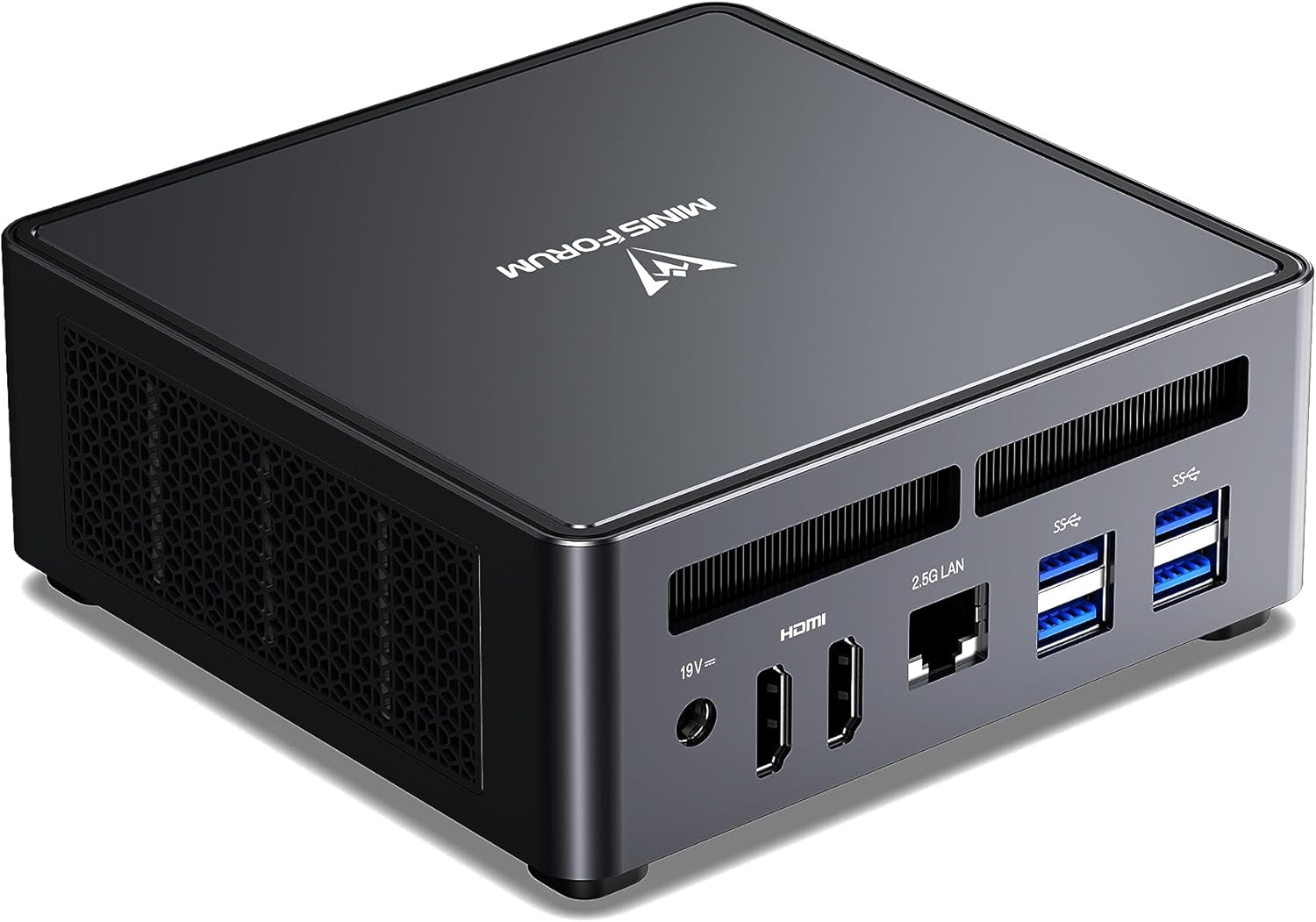
Minisforum UM790 Pro
Price: ~$380-500
→ Check Current Price on Amazon
Side-by-Side Specs
| Spec | Radeon 890M | Radeon 780M | Winner |
|---|---|---|---|
| Architecture | RDNA 3.5 | RDNA 3 | 🏆 890M (newer) |
| Compute Units | 16 | 12 | 🏆 890M (+33%) |
| Shaders | 1,024 | 768 | 🏆 890M (+33%) |
| Found In | Ryzen AI 9 HX 370, HX 470 | Ryzen 9 7940HS, 8945HS, 7 255 | — |
| Mini PC Price Range | $999–$1,689 | $699–$949 | 🏆 780M (cheaper systems) |
| Example Products | X1 Pro-370, A9 Max, SER9 Pro Mini | A7 MAX, K11, UM790 Pro, SER9 | — |
Performance Benchmarks
| Workload | Radeon 890M | Radeon 780M | 890M Advantage |
|---|---|---|---|
| 1080p Gaming (AAA, Medium-High) | 50-70 fps | 35-50 fps | ~30-40% faster |
| 1080p Gaming (Esports, High) | 100-140 fps | 70-100 fps | ~40% faster |
| Stable Diffusion SDXL | ~20-30s/image | ~30-45s/image | ~40-50% faster |
| Video Encode (HW, AV1/HEVC) | Similar | Similar | Tie |
| 3DMark Time Spy | ~3,000-3,200 | ~2,200-2,500 | ~30% higher |
| LLM Token Generation | Slightly faster | Slightly slower | ~10-20% |
Sources: Community benchmarks from ServeTheHome, NotebookCheck, and user reviews.
Detailed Breakdown
Architecture: RDNA 3.5 vs RDNA 3
The 890M uses AMD’s RDNA 3.5 architecture — an incremental improvement over RDNA 3 in the 780M. Key improvements:
- Better efficiency — more performance per watt
- Improved ray tracing — still not great on iGPUs, but better
- Enhanced AI acceleration — relevant for Stable Diffusion and upscaling
- Better AV1 encoding — marginal improvement for video work
In practice, the architecture improvement accounts for ~5-10% of the 890M’s advantage. The remaining ~25-30% comes from having 4 additional compute units (16 vs 12).
Gaming Performance
Radeon 890M (16 CUs):
- Cyberpunk 2077: 1080p Medium-High, 50-60 fps
- Elden Ring: 1080p High, 55-65 fps
- Baldur’s Gate 3: 1080p High, 60-70 fps
- Esports titles (CS2, Valorant, League): 1080p High, 100-140 fps
Radeon 780M (12 CUs):
- Cyberpunk 2077: 1080p Medium, 35-45 fps
- Elden Ring: 1080p Medium, 40-50 fps
- Baldur’s Gate 3: 1080p Medium-High, 45-55 fps
- Esports titles: 1080p High, 70-100 fps
Verdict: The 890M handles AAA titles at medium-high settings comfortably. The 780M requires medium (sometimes low-medium) for playable framerates. For esports and older titles, both are fine — the 890M’s advantage is less meaningful.
Stable Diffusion and AI Art
Radeon 890M:
- SDXL (1024x1024): ~20-30 seconds per image
- SD 1.5 (512x512): ~5-8 seconds per image
- ROCm support on Linux is mature
Radeon 780M:
- SDXL (1024x1024): ~30-45 seconds per image
- SD 1.5 (512x512): ~8-12 seconds per image
- ROCm support on Linux works but slower
Verdict: If you generate AI art regularly, the 890M saves you 10-15 seconds per SDXL image. Over a 100-image batch, that’s 15-25 minutes saved. For casual users, both work fine.
Video Encoding
Both GPUs support:
- AV1 encode and decode
- HEVC (H.265) encode and decode
- VP9 encode and decode
In practice, encoding performance is similar — the 890M’s extra CUs don’t significantly accelerate video encoding because both use the same media engine. The 890M’s advantage is marginal here.
Linux and Proxmox Support
Radeon 890M:
- AMDGPU driver in Linux kernel 6.6+
- VFIO passthrough works well on Proxmox
- ROCm 5.6+ supports RDNA 3.5
Radeon 780M:
- AMDGPU driver in Linux kernel 5.15+
- VFIO passthrough is well-documented
- ROCm 5.4+ supports RDNA 3
Verdict: Both work well on Linux. The 780M has a longer track record, but the 890M is mature enough for production use.
Products with Each GPU
Mini PCs with Radeon 890M
| Product | CPU | Price | Key Features |
|---|---|---|---|
| MINISFORUM AI X1 Pro-370 | Ryzen AI 9 HX 370 | ~$1,179 | OCuLink, dual 2.5GbE, integrated PSU |
| GEEKOM A9 Max | Ryzen AI 9 HX 370 | ~$1,689 | Dual 2.5GbE, 3-year warranty, upgradeable RAM |
| Beelink SER9 Pro Mini | Ryzen AI 9 HX 370 | ~$999 | Compact, single 2.5GbE |
Mini PCs with Radeon 780M
| Product | CPU | Price | Key Features |
|---|---|---|---|
| GMKtec K11 | Ryzen 9 8945HS | ~$739 | OCuLink, dual 2.5GbE, great value |
| GEEKOM A7 MAX | Ryzen 9 7940HS | ~$699 | Dual 2.5GbE, 3-year warranty |
| MINISFORUM UM790 Pro | Ryzen 9 7940HS | ~$779 | Liquid metal cooling, established |
| Beelink SER9 | Ryzen 7 255 | ~$839 | Budget Hawk Point option |
Price gap: 890M systems cost $999-1,689. 780M systems cost $699-949. The premium for 890M is $300-700 depending on the specific comparison.
Beyond the 890M: Radeon 8060S (GMKtec EVO-X2)
If you need serious iGPU performance, there’s a third option.
The GMKtec EVO-X2 AI features the Radeon 8060S — 40 RDNA 3.5 compute units vs 16 on the 890M and 12 on the 780M. This is a completely different performance tier:
| Spec | Radeon 8060S | Radeon 890M | Radeon 780M |
|---|---|---|---|
| Compute Units | 40 | 16 | 12 |
| Shaders | 2,560 | 1,024 | 768 |
| Found In | Ryzen AI Max+ 395 | HX 370, HX 470 | 7940HS, 8945HS, 255 |
| Mini PC Price | ~$2,229–$2,999 | $999–$1,689 | $699–$949 |
| Example Product | GMKtec EVO-X2 AI | X1 Pro-370, A9 Max | K11, A7 MAX, SER9 |
| 1080p Gaming | Ultra settings (60+ fps) | Medium-High (50-60 fps) | Medium (35-50 fps) |
| SD SDXL | ~8-12 seconds | ~20-30 seconds | ~30-45 seconds |
The 8060S delivers ~2-3x the GPU performance of the 890M. It’s only relevant if you need discrete-GPU-class iGPU performance — otherwise the 890M vs 780M comparison is the right decision point for most buyers.
When 890M Is Worth the Premium
Buy an 890M mini PC if:
- You play AAA games at 1080p and want medium-high settings (not medium-low)
- You run Stable Diffusion regularly and want faster generation times
- You do GPU-accelerated video editing or creative work
- You want future-proofing for upcoming RDNA 3.5-optimized apps
- You have the budget for a $1,000-1,700 mini PC
The 890M is NOT worth it if:
- You primarily do productivity work (web, office, coding)
- You play older or indie games (780M handles these fine)
- You’re budget-conscious (780M systems start at $699)
- You run LLMs (RAM capacity matters more than GPU for inference)
When 780M Is Enough
Buy a 780M mini PC if:
- You primarily do productivity, web browsing, and media consumption
- You play esports titles (CS2, Valorant, League) or older AAA games
- You’re budget-conscious and want the best value
- You run LLMs (the 780M handles inference fine — RAM is the bottleneck)
- You want a proven platform with a long Linux track record
The 780M is NOT enough if:
- You want to play AAA games at 1080p medium-high (you’ll need medium-low)
- You generate AI art regularly and want faster turnaround
- You do serious GPU-accelerated creative work
- You want the latest architecture for future-proofing
Final Verdict: Which Should You Buy?
For Gaming
Winner: Radeon 890M
The 30-40% gaming performance advantage is meaningful. If you care about 1080p gaming, even casually, the 890M is worth the premium.
For Stable Diffusion / AI Art
Winner: Radeon 890M
The 40-50% faster generation time adds up over batches. For casual users, both work. For regular creators, the 890M saves real time.
For General Productivity
Winner: Radeon 780M
Web browsing, office work, coding, and media playback don’t benefit from the extra CUs. The 780M is perfectly adequate and saves you $300-700.
For Homelab / Proxmox
Winner: Tie
Both GPUs work well for VFIO passthrough. The 780M has a longer track record, but the 890M is mature enough. Choose based on other features (NICs, storage, price).
For LLM Inference
Winner: Tie (RAM matters more)
GPU acceleration helps, but RAM capacity is the limiting factor for model size. A 780M system with 64GB RAM runs larger models than an 890M system with 32GB.
Our Pick
For most users: The Radeon 780M in systems like the GMKtec K11 ($739) or MINISFORUM UM790 Pro ($779) offers the best value. You get capable 1080p gaming, solid creative performance, and proven Linux support — all at a reasonable price.
For enthusiasts: The Radeon 890M in systems like the MINISFORUM AI X1 Pro-370 ($1,179) or GEEKOM A9 Max ($1,689) is worth the premium if you care about gaming, AI art, or GPU-accelerated workloads.
For power users: Consider the Radeon 8060S in the GMKtec EVO-X2 AI (~$2,999) — it’s in a different league entirely, but costs 2-3x more than 780M systems.
Amazon Product Links
Radeon 890M Systems
- MINISFORUM AI X1 Pro-370: → Check Current Price on Amazon
- GEEKOM A9 Max: → Check Current Price on Amazon
- Beelink SER9 Pro Mini: → Check Current Price on Amazon
Radeon 780M Systems
- GMKtec K11: → Check Current Price on Amazon
- GEEKOM A7 MAX: → Check Current Price on Amazon
- MINISFORUM UM790 Pro: → Check Current Price on Amazon
Radeon 8060S System
- GMKtec EVO-X2 AI: → Check Current Price on Amazon
Related Articles
- Best AI Mini PC — Our top picks for local AI workloads
- Best Mini PC for Stable Diffusion — GPU-focused roundup
- GMKtec K11 Review — Radeon 780M value pick
- GEEKOM A9 Max Review — Radeon 890M premium pick